Should you count calories? The answer is yes and no. Yes, to get an idea of what you’re eating and how much you’re eating. No, as in you need to do it constantly for the rest of your life. Overtime, calorie awareness matters more than strict calorie counting.
Calorie Awareness
Calorie awareness is important if you’re trying to get in shape or maintain your progress. Tracking calories should not feel like a tedious or restrictive task, rather a helpful tool to understand where you are in your weight loss or fitness journey. In our modern world, it’s so easy to overeat and exceed the daily recommended calorie intake, especially when snacking on the wrong types of foods.

I like to track my calories and macros from time to time to check in on how I’m doing. To do so, I use the free version of the Cronometer app (not sponsored). It allows me to monitor not just calories, protein, carbs, and fat, but also my intake of vitamins and minerals.
Calorie Quality
What you eat matters. A piece of chocolate brownie (100g) is around 400-500 kcal, and in some cases it’s so addictive that it’s hard to stop at just one. Your insulin levels spike rapidly then come crashing down. One or two hours later, you may feel faint from the low blood sugar and go grab another piece.
Here are a few alternatives of what you could eat for 400 Kcal and feel satiated.
Example 1: overnight oat
404 Kcal | 11 g Protein | 45g carbs | 13g fat | 6 mg Fe
1 serving of oatmeal (35g) – 135 Kcal
1 tsp maple syrup (5g) – 13 Kcal
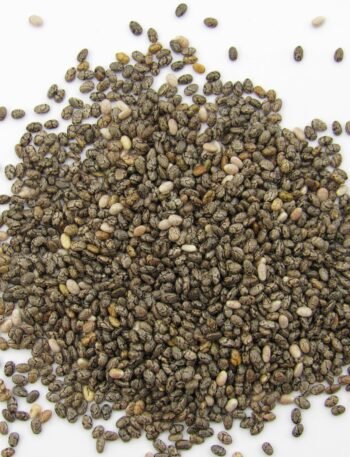
2 heaping tbsp chia seeds (28g) – 136 Kcal
1 banana (100g) – 88 Kcal
1 tsp raw cacao powder (3g) – 12.3 Kcal
A pinch of cinnamon
130 ml Unsweetened organic almond milk – 20.9 Kcal ;
If using water instead of almond milk: 382 Kcal total.
Instructions: In a cup, combine all the ingredients except the banana and stir well Refrigerate overnight. Top with sliced banana before serving. Enjoy!
Examples 2: Savory Bowl
425 Kcal | 19 g protein | 52g carbs | fat 11g | 156 mg Ca | 5.3 mg Fe
130g cooked spaghetti – 205.4 Kcal
150g cooked fava beans – 93 Kcal
100g cooked bok choy – 12 Kcal
2 tsp extra-virgin olive oil – 79.56 Kcal
5 garlic cloves, cooked – 19.5 Kcal
A pinch of Himalayan pink salt
1 tsp organic soy sauce – 10 Kcal
Juice from 1/4 lemon – 4 Kcal
1 tbsp Cilantro leaves chopped (5g) – 1.2 Kcal
Instructions: Boil pasta according to package instruction. In a pan or wok, heat oil and sauté bok choy and crushed garlic with a pinch of salt. Boil fava beans for 3-5 minutes, then air fry until crunchy. Combine everything in a bowl, top with cilantro, organic soy sauce, and lemon juice and stir.
Example 3: Something better than a brownie and doesn’t require any cooking: fruits! Here are some options:
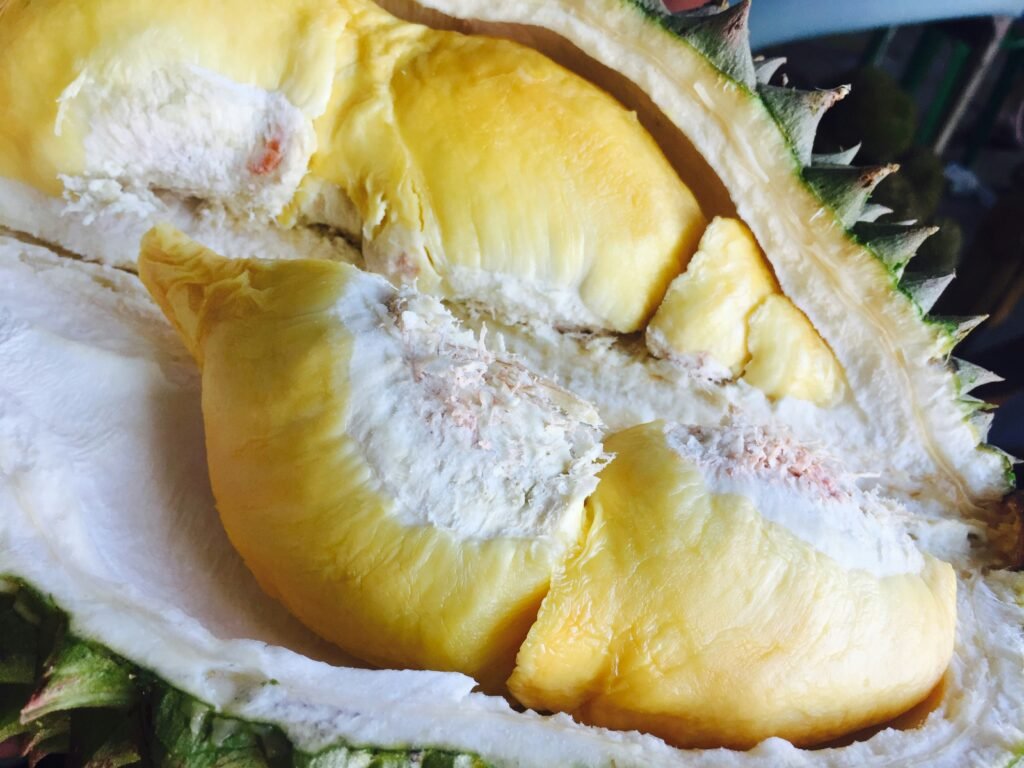
300g durian flesh only – 440 Kcal
1 kg or 2.2 lbs papaya – 390 Kcal
700g or 1.54 lbs diced mangoes – 420 Kcal
4 bananas – 432 Kcal
1 Kg or 2.2 lbs peaches – 390 Kcal
Calorie Count Aftermath
Counting calories doesn’t need to be a lifelong habit. Once you’ve built awareness and established a routine around the food you consume, it becomes easier to skip apps like Cronometer. Start by using the app to understand your current intake and make healthy changes. Spend your calories wisely. Once your healthy habits are in place, calorie counting becomes less important.
Next: how many calories should I consume?
Your calorie needs will varie depending on your goals. I like to use the DRI calculator https://www.nal.usda.gov/human-nutrition-and-food-safety/dri-calculator to estimate how many calories I need to maintain my current weight or to reach a specific weight target. If you’re not sure where to start, consider working with whole food, plant-based (WFPB) dietitian and a health coach.