Welcome to the Getting Enough series — we’re kicking things off with an important topic: iron. When it comes to iron, meeting the daily recommended intake (DRI) in WFPB diet can be challenging without proper planning. For non-pregnant women between the age of 19 and 50 years old, the DRI is 18 mg. Men in the same age group (19-50) only need 8 mg/day. Pregnant women generally require 27 mg/day. Women need more iron as they lose blood during menstruation, which overtime decreases iron stores. As menstruation ceases during menopause, the DRI for women drops to 8 mg.
See this table below for more details on daily iron intake requirements.
| Age | Male | Female | Pregnancy | Lactation |
|---|---|---|---|---|
| Birth to 6 months | 0.27 mg* | 0.27 mg* | ||
| 7–12 months | 11 mg | 11 mg | ||
| 1–3 years | 7 mg | 7 mg | ||
| 4–8 years | 10 mg | 10 mg | ||
| 9–13 years | 8 mg | 8 mg | ||
| 14–18 years | 11 mg | 15 mg | 27 mg | 10 mg |
| 19–50 years | 8 mg | 18 mg | 27 mg | 9 mg |
| 51+ years | 8 mg | 8 mg |
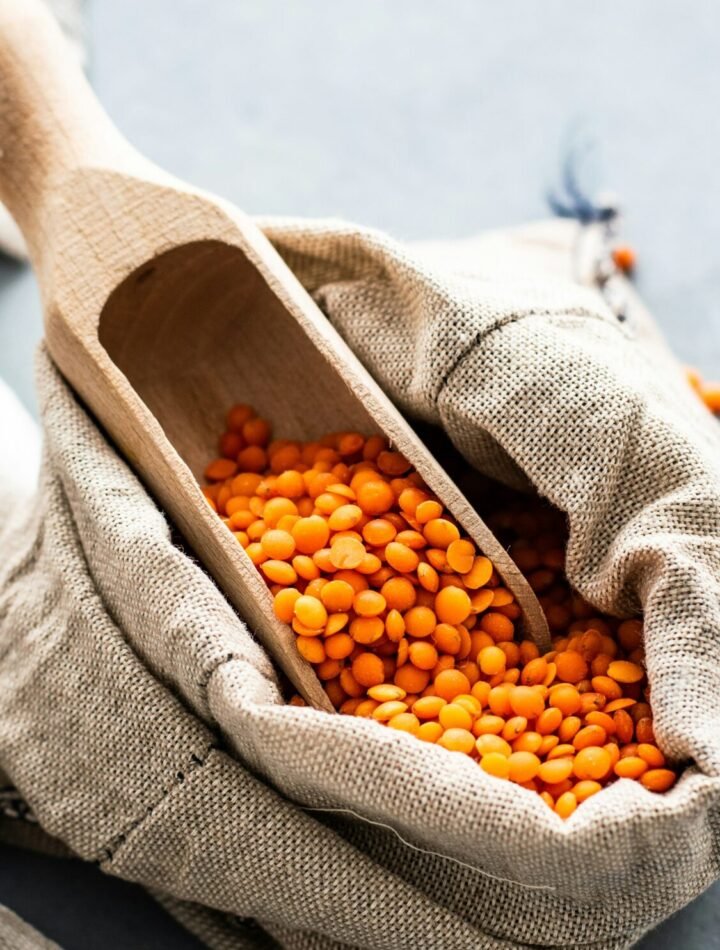
There are two types of iron found in food. Heme and non-heme iron. Heme iron is in animal products like red meat, organ meat, oysters, and so on. It is what gives blood its red color. Non-heme iron, on the other hand, is found in plant-based foods, such as lentils, pumpkin seeds, molasses, quinoa etc.
Non-heme iron is absorbed less efficiently by the body than heme iron [1]. You may in fact have heard that vegetarians or vegans need more iron than omnivores. A DRI of 27mg of iron per day is for pregnant women following an omnivore diet. According to MDweb, vegans may need up to 1.8 times more iron [2]. That’s 48.6mg of iron per day. For non-pregnant aged 19-50 on the same diet, 18×1.8= 32.4 mg/day.
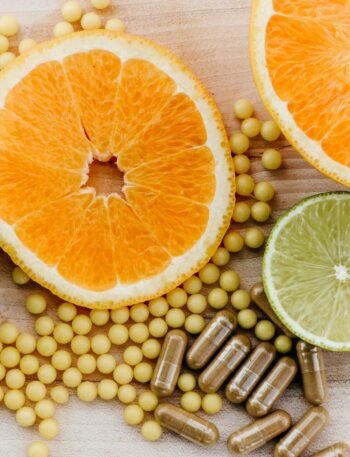
These numbers may look like high without the use of fortified foods or iron supplements. However, it’s entirely feasible to reach the adjusted DRI without supplements, especially if you are paring iron-rich foods with vitamin C sources to boost absorption.
Note on reducing or eliminating caffeine intake:
Coffee and tea can hinder iron absorption and, overtime, deplete the body’s iron stores [3,4]. For women of reproductive age, especially those trying to conceive, caffeine consumption has been positively associated with uterine fibroids [5,6] and fibrocystic breast disease [7]. Uterine fibroids can cause heavy bleeding and irregular menstrual cycles, further depleting iron storage and increasing the risk of infertility (depending on the fibroids’ locations). Caffeine consumption during pregnancy has been linked to low birth weight [8].
If you decide to eliminate coffee from your diet, I recommend not quitting cold turkey. Start the transition during a holiday break where you’re more relaxed, and not in the workplace.
Below is a sample table of iron rich foods that could provide over 40 mg of iron per day. If you remove the scoop of protein powder, the total is still close to 40 mg. Naturally, if you add other whole foods to your meals, your daily iron intake will increase. This table is soy-free and may be especially helpful if you’re looking to take a break from tofu.
| Food | Serving | Iron (mg) | Notes |
|---|---|---|---|
| Blackstrap Molasses | 20g or 1Tbsp | 3.6 | Recipe: Blackstrap Molasses Milk. Alternatively, stir 1 tbsp into a cup of freshly squeezed orange juice, or blend with orange juice & ice. |
| Cashews | 30 g or 1/4 cup | 1.8 | |
| Rolled Oatmeal | 40g or 1/2 cup | 1.4 | Iron content will vary depending on the brand. Top with berries to increase iron absorption. |
| Pumpkin Seeds | 30g or 1/4 cup | 2.3 | |
| Lentils, cooked | 297 g or 1.5 cup | 10 | |
| Quinoa, cooked | 185g or 1 cup | 2.76 | Can be served with lentils. |
| Wild Blueberries | 100g | 1.1 | |
| Plant-based Raw Organic Protein Powder | 25 g or 1 scoop | 5.6 | |
| Almond Butter | 1 Tbsp | 0.5 | |
| Organic Moringa Powder | 2-4g or 1 to 2 tsp | 0.65 – 1.3 | Add in homemade nice cream or smoothie. Start with 1 tsp and increase to 2 tsp. |
| White beans, cooked | 170 g or 1 cup | 6.67 | |
| Arugula | 30 g | 0.5 | |
| Swiss Chard, raw, chopped | 48 g (1 leaf) | 0.86 | |
| Ezekiel Sprouted Tortilla | 1 | 1.8 | |
| Chia Seeds | 28.4 g or 1 ounce | 2.2 | |
| Cacao powder | 0.5 Tbsp | 2.5 | |
| 44.24 to 44.89 mg |
Iron content will vary depending on the brand and specific product. The Information in this table is based on nutritional labels from the foods I personally use or data from the USDA website [9].
Everyone’s iron needs are different — have you found a go-to iron-rich food that works for you? Or discovered any tips that make meeting your iron needs easier? Share your experience in the comments and let’s learn from each other 😀
References:
[0] More on Iron and where to find the DRI table: https://ods.od.nih.gov/factsheets/Iron-HealthProfessional/
[1] Iron Absorption: an Overview
[2] Vegans may need more iron than omnivores: https://www.webmd.com/diet/foods-high-iron-vegans
[3] https://pubmed.ncbi.nlm.nih.gov/6402915/
[4] https://pubmed.ncbi.nlm.nih.gov/37637954/
[5] https://pmc.ncbi.nlm.nih.gov/articles/PMC1876785/
[6] https://pubmed.ncbi.nlm.nih.gov/29054502/
[7] https://pubmed.ncbi.nlm.nih.gov/6585579/